

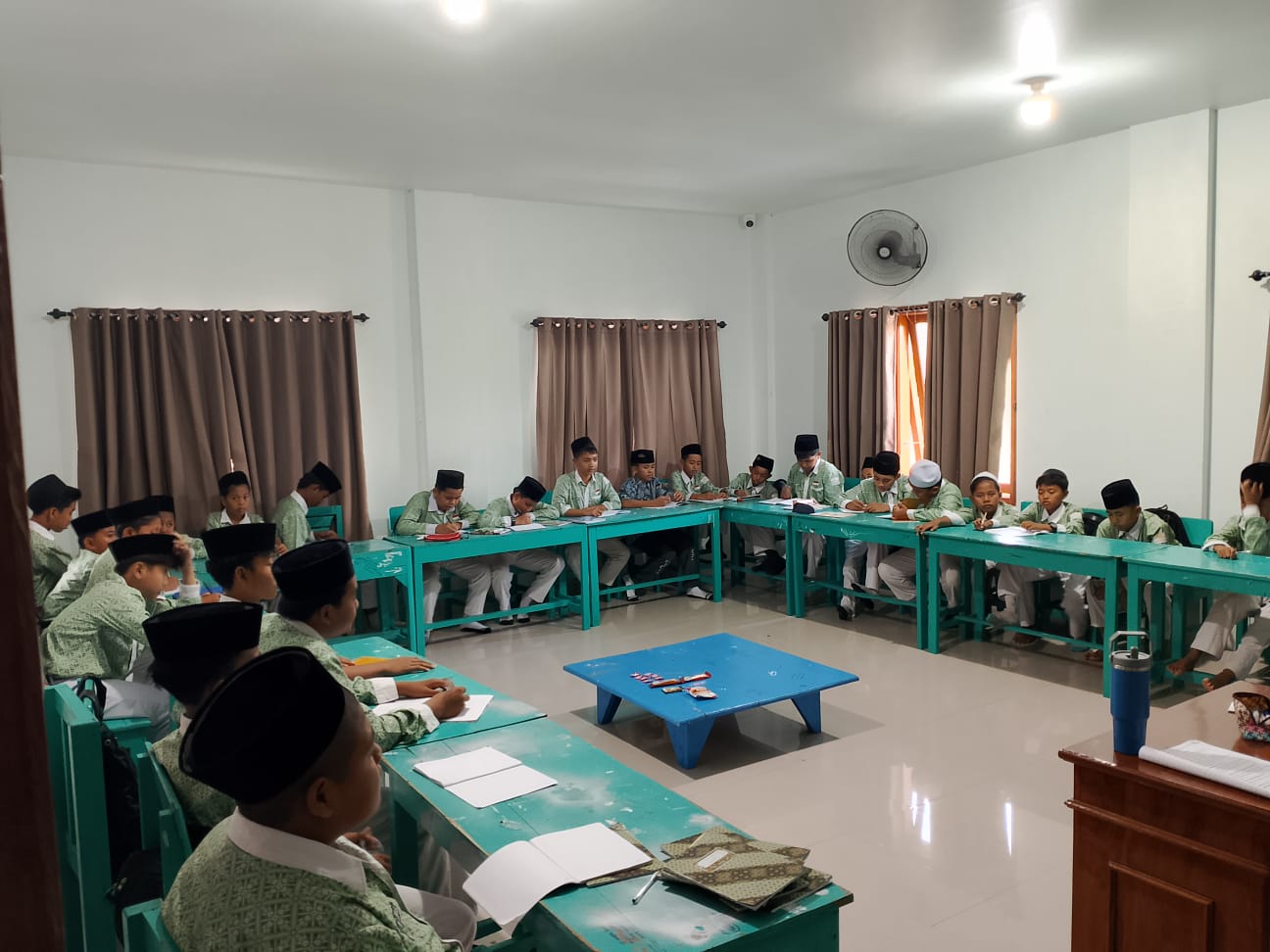
Walking into the 7L2 Boys' classroom this morning, I was immediately struck by how clean and tidy everything was. Desks were neatly aligned, the floor was spotless, and the room carried the calm, focused energy every teacher hopes to find at the start of the day. My satisfaction, however, was put to the test just moments later when a couple of students in the back row began fidgeting, discreetly sliding items into their desk drawers with guilty grins. A quick check confirmed it: a classic, minor classroom infraction. Snacks had been smuggled into the room.
The traditional reaction would have been a sharp reprimand, an irritated sigh, and instant confiscation. But looking at the expectant faces around the room, I hesitated. Why dampen a bright morning with anger when you can turn a disruption into discovery?
Within minutes, the morning's "contraband" was lined up across my desk: a packet of Alpenliebe candies, a bag of Spix noodle snacks, a Beng-Beng chocolate wafer, and a box of Go Potato biscuits. The students braced themselves for a scolding. Instead, I picked up the Beng-Beng, turned toward the whiteboard, and told them to put their textbooks aside because our lesson for the day was sitting right in front of us.
The tension evaporated, replaced by genuine curiosity. Our scheduled topic was the Degree of Comparison—the grammar of evaluating items using comparative and superlative adjectives. These confiscated treats instantly became the most relatable teaching aids in the building.
We kicked off with an informal discussion, prompting the boys to compare the snacks relative to one another in English. Within minutes, the room came alive with friendly debates: "Beng-Beng is sweeter than Go Potato," one argued, while another chimed in that "Spix is crunchier than Alpenliebe," and a third concluded that "Alpenliebe is the cheapest of all." Abstract grammatical formulas suddenly clicked because the students were describing real, tangible things they loved, effortlessly absorbing new adjectives like crunchy, savory, and affordable.
To cement their understanding, the students wrote their own comparative sentences and took turns reading them aloud to the class. To keep the momentum going, I recruited two students who caught on quickly to serve as peer teaching assistants, helping me review and correct their classmates' work on the spot. The collaborative feedback turned what could have been a tedious grammar drill into a lively, shared achievement.
What began as a rule violation ended up as one of the most engaging, productive, and cheerful sessions of the term. The classroom guidelines were reinforced with good humor, the academic objective was thoroughly achieved, and the treats were safely returned when the bell rang. Sometimes, the most effective instructional tools aren't found in a textbook or a digital screen, but in a teacher's willingness to embrace the unexpected moments of classroom life.
Author: Althaf Afida
Berita Terkait
 Umum
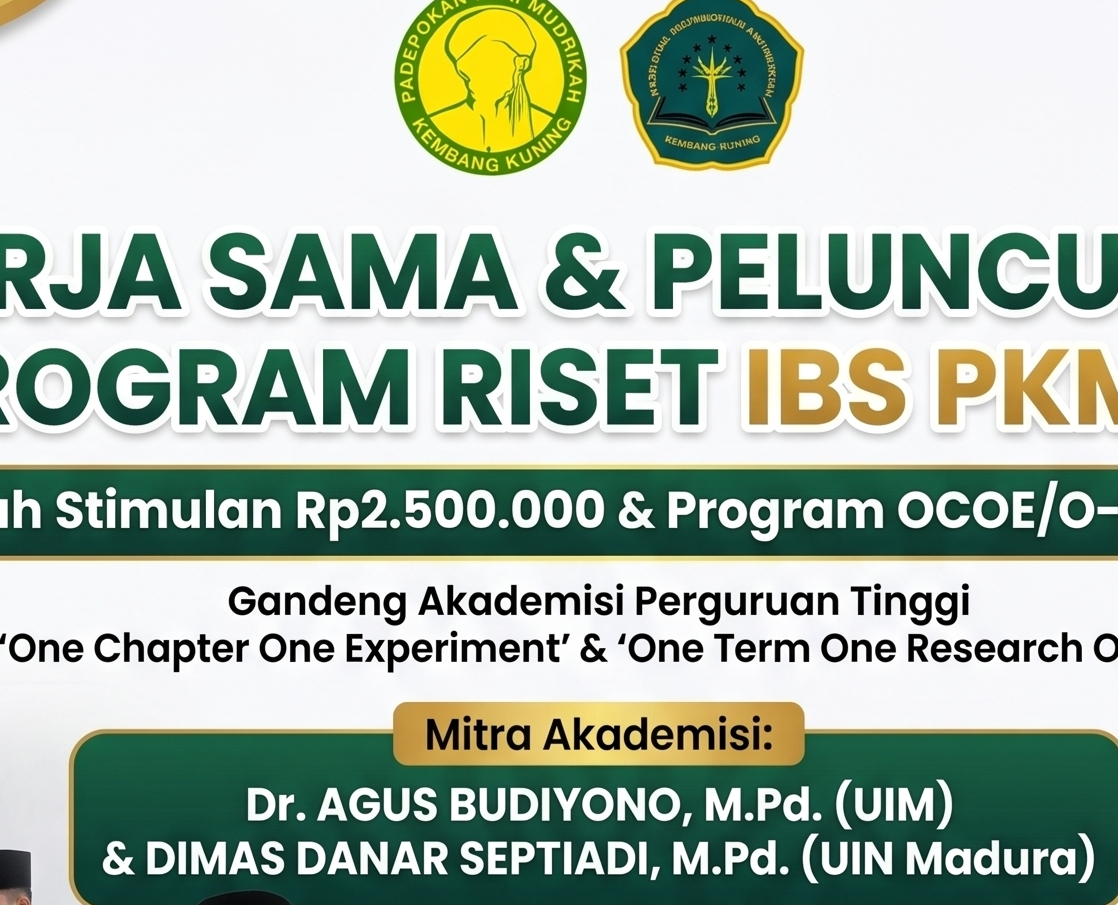
Gandeng Akademisi Perguruan Tinggi, IBS PKMKK Pacu Budaya Riset Santri Lewat Hibah dan Program ‘One Chapter One Experiment & One Term One Research One Publication’
PAMEKASAN, 20 September 2026 — Langkah progresif dalam membumikan ekosistem sains dan riset di lingkungan pesantren terus dimatangkan oleh Islamic Boa...
Baca selengkapnya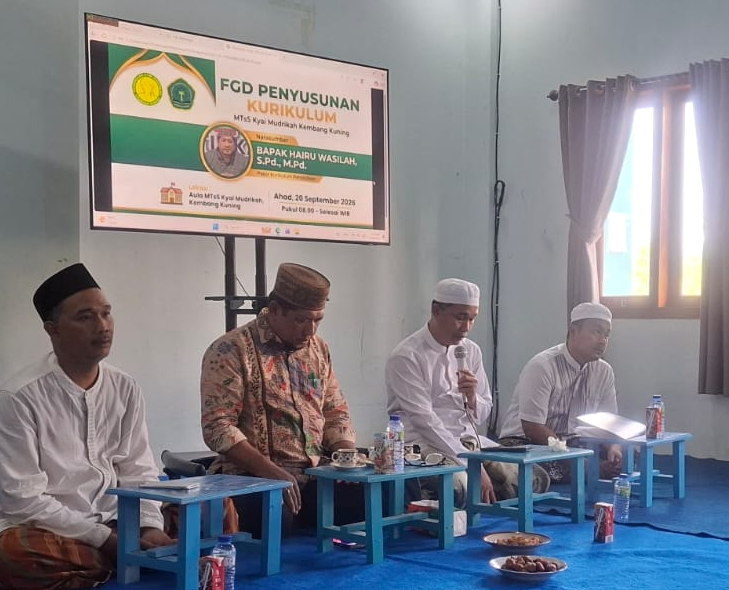 Umum
Dobrak Rutinitas Pembelajaran, MTsS Kyai Mudrikah Kembang Kuning Rumuskan Kurikulum Transformatif Berbasis 5 Dimensi Cinta
PAMEKASAN, 20 September 2026 — Madrasah Tsanawiyah Swasta (MTsS) Kyai Mudrikah Kembang Kuning (IBS PKMKK) mengambil langkah strategis untuk merevitali...
Baca selengkapnya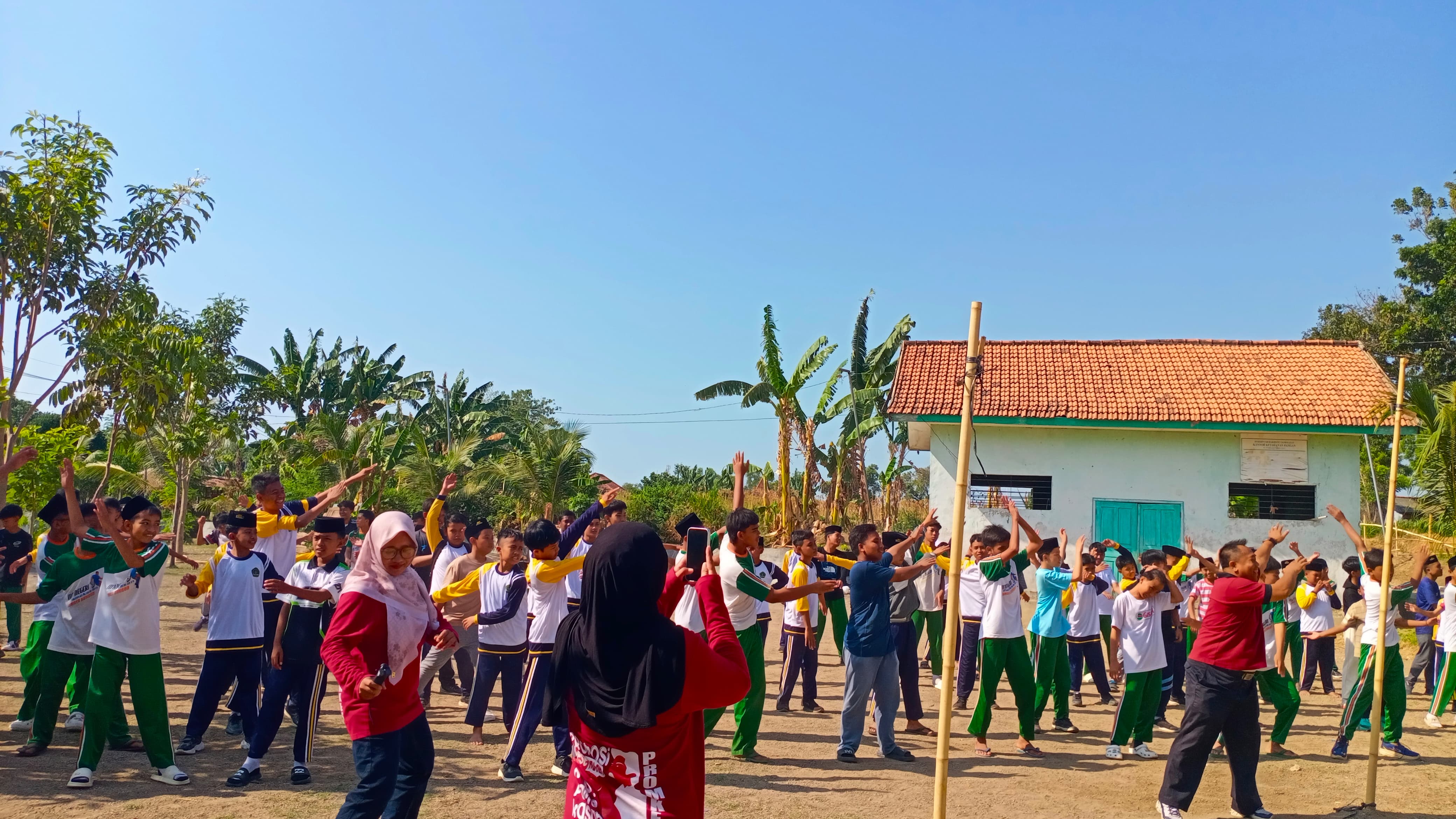 Umum
Semarak Aksi Bergizi di IBS PKMKK: Santri Antusias Terapkan Hidup Sehat dan Bebas Anemia
Dinas Kesehatan Kabupaten Pamekasan bersama UPT Puskesmas Talang menggelar "Aksi Bergizi di Pesantren" di IBS PKMKK, Jumat (2/10/2026). Diisi dengan s...
Baca selengkapnya